I may be slightly different here but I saw a few specialists for foot pain associated with my bunions. I was dismissed because my pain was not typical bunion pain. Mine was in the bottoms of both feet- intense aches, tingling, burning inflammation- with every single step. But no pain at the bunion site. One Ortho finally noted that my sesamoids were inflamed with bone marrow edema. The misalignment of my first metatarsals (from the bunions) cause too much pressure on the sesamoid bones underneath. (those two tiny round bones). While realignment surgery could help, we started with custom insoles to protect the sesamoids and/or a dancers pad to offload the area. Also PT to strengthen. It took 8 months for anyone to find out the problem. And I had to heal the sesamoids by offloading and using a bone stimulator. Finally I have very little pain as long as I wear the orthotics or dancer pads. Conservative treatments can be helpful. But in my case I had to push for 2nd and 3rd opinions for actual help.
Community discussion
Went to see a pedorthist today as a pre-screening to see a surgeon ie I guess they are trying to cull out…
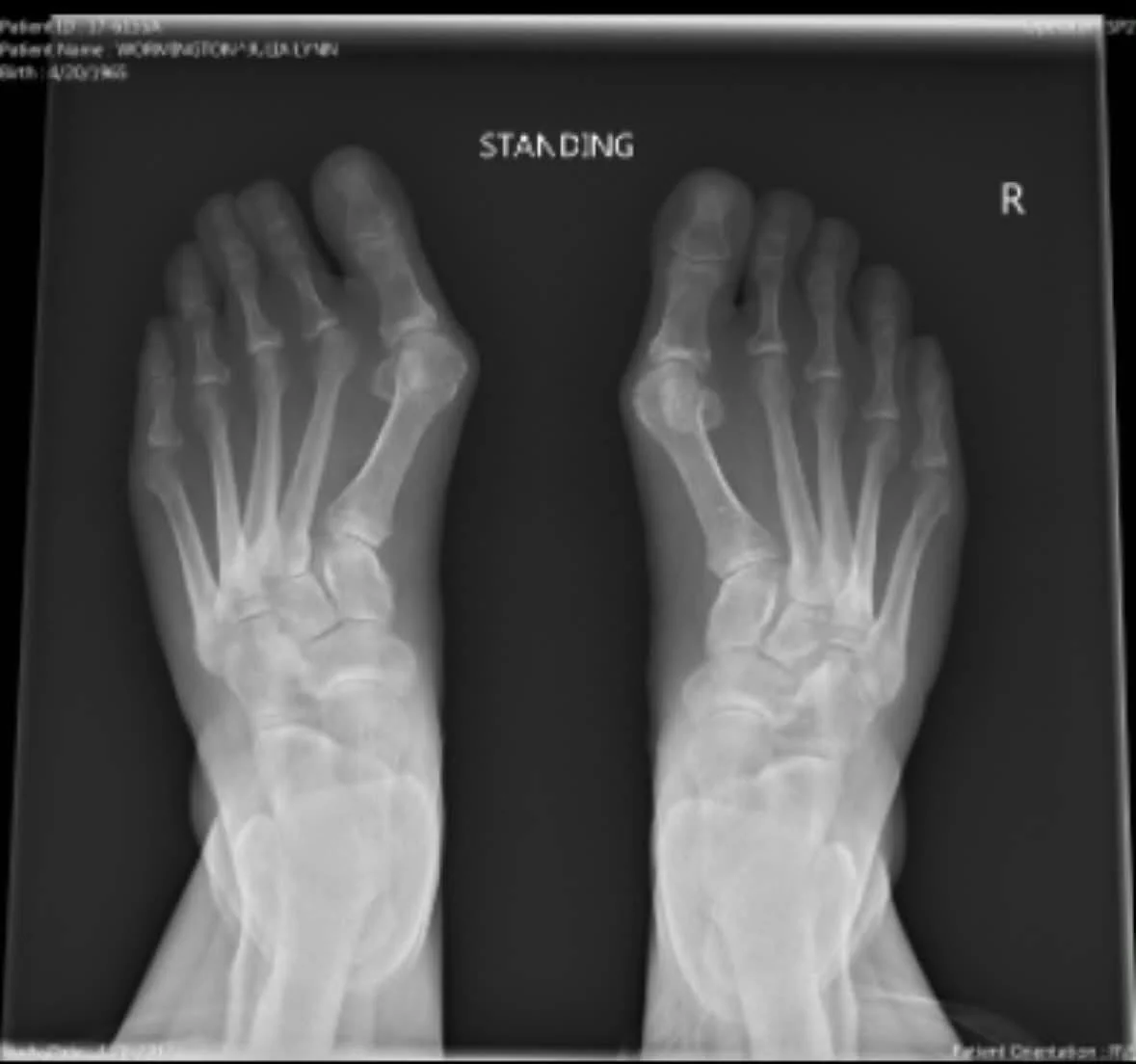
Went to see a pedorthist today as a pre-screening to see a surgeon ie I guess they are trying to cull out those on their list who are not surgical candidates? She examined my feet, analyzed my foot function and gait and said basically my feet are not functioning the way they should which is not only causing pain and degenerative changes, but also affect areas higher up eg hips, knees. Well I knew that already. She said I am a surgical candidate but in the meantime or alternatively I should consider orthotics and physio to help better manage and maintain my foot function. Here’s the thing. Ideally, I should do both. Financally, its gonna be a struggle. So I am considering just doing one. My brain says do the physio to get my feet more “fit”. But if I still walk on the same base will it be an exercise in futility (no pun intended). I would be interested in hearing from anyone who has gone the path of orthotics and/or physio or medical professionals as to what my best choice would be. TIA.
Archived from Bunion Surgery / Foot Surgery Support. View the original discussion on Facebook (sign-in may be required).
The visible discussion was fully captured at the time of collection.
Something to consider with the surgery is that you have metatarsus adductus. Discuss adequately with your surgeon and get a second opinion before surgery on how or if they plan on addressing the adductus component. Sometimes if they only address the bunion on the first metatarsal it can be problematic. But worth true consideration from you and your surgeon before choosing surgery
Yes for sure. I know the surgery will be complex and I absolutely would prefer to avoid it if I can.
IMO I’d go for the pt. It will strengthen your feet,, ankles and legs in prep for surgery. The inserts may end up changing after surgery. Your feet will be totally different. So why spend that now? If you really need to, get otc for now. Then go hit the pt office. JMO 😉
My sister has a bunion and her doctor also recommended a steroid shot for the pain. Maybe you could try this as well in the meantime.
I'd go physio if you can afford. Over the years ( 20yrs ago or more) I went through 2 orthodic sets, be aware that they can cause knee hip and great pain behind your ankles. The podiatrists say no but stop using and pain stops. Swore I'd never invest in another pair plus I can't afford it now anyway
That happened to me a decade ago. They gave me plantar fasciitis for a year, when I ditched them it went away. 🤷♀️
I vote for PT. I personally think orthotics are worthless or even detrimental, but I completely believe in wide toe box (widest at the tip of the toes as opposed to widest at the ball of the foot) shoes. In fact, I think that wearing orthotics to distract from the tapered toe box (meaning shoes that are widest at the ball of the foot and get narrower at the tip of the toes) of conventional shoes will cause bunions to become worse.
Community replies
8 in this archive